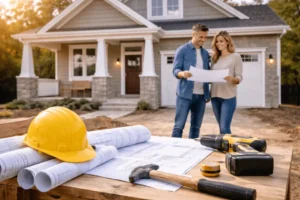
Ground-up construction gives real estate investors the opportunity to build a project from the ground up on undeveloped land. Instead of working around an existing structure, investors can create a property that fits their exact goals, layout, and long-term strategy.
For investors, developers, and business owners, this approach offers flexibility, customization, and the ability to design a property around a specific use from day one.
What Is Ground-Up Construction?
Ground-up construction is the process of building a new structure on raw or cleared land. Because there is no existing building to renovate or work around, the project starts with a blank slate.
That gives investors more control over:
Location selection
Building design
Materials and finishes
Property layout
Future functionality and expansion
Why Investors Choose Ground-Up Construction
One of the biggest advantages of ground-up construction is control. Investors can plan a project around the property’s intended use rather than trying to adapt an outdated structure.
Ground-up construction can be attractive because it allows for:
Purpose-built design
Better site selection
Greater flexibility
Modern systems and materials
Improved long-term efficiency
For certain projects, starting fresh can create a better result than renovating an older building with design limitations.
How the Ground-Up Construction Process Works
Ground-up construction usually moves through several stages.
The first stage is design and planning. This includes project concepts, drawings, layout decisions, utility planning, and making sure the project aligns with local building requirements.
The next stage is pre-construction. During this phase, materials are selected, subcontractor pricing is gathered, budgets are reviewed, and the site is inspected.
Once that is complete, the project moves into construction. This includes site work, excavation, foundation work, utility installation, framing, and the full building process.
The final stage is post-construction, where systems are checked, final reviews are completed, and the property is prepared for occupancy or use.
Main Benefits of Ground-Up Construction
Ground-up construction offers several advantages for real estate investors and developers.
A blank slate
Starting from scratch allows for better planning and fewer design compromises.
Customization
The property can be built around the investor’s exact business model, tenant needs, or operational goals.
Sustainability
New construction can incorporate more efficient materials, systems, and energy-saving features from the beginning.
Energy efficiency
Modern building methods often create better insulation, improved lighting efficiency, and lower operating costs over time.
Challenges to Consider
Ground-up construction also comes with challenges that investors need to plan for carefully.
Budgeting is a major factor. Unexpected costs, delays, and material changes can affect the overall project.
Zoning and permitting can also take time. Local regulations, approvals, and inspections must be handled properly before and during construction.
Time management matters as well. Ground-up construction usually takes longer than buying or renovating an existing property, so planning and realistic timelines are important.
Ground-Up Construction vs. Renovation
The biggest difference between ground-up construction and renovation is the starting point.
With renovation, the investor works within an existing structure. That can save time in some cases, but it can also limit design choices and future flexibility.
With ground-up construction, the project starts fresh. That usually requires more time and planning, but it also creates more freedom to build exactly what is needed.
Final Thoughts
Ground-up construction can be a strong option for investors who want full control over design, layout, and long-term functionality. While it requires more planning, budgeting, and patience, it can create a purpose-built property that better supports the overall investment strategy.
For the right project, building from the ground up can offer flexibility, efficiency, and long-term value that older properties may not provide.
Questions about a ground-up construction scenario?
Contact Keith Croteau directly or use the Apply page to get started.